Density resolution is how finely the unit reports g/cm³. Brochure decimals lose to bubbles and hollow samples—but finer resolution still matters for disputed lots.
Quick-glance summary
| Product | Best for | Price tier | Editor view | Amazon |
|---|---|---|---|---|
| RODIETO 600 g Gold Purity Densimeter | Pawn and mixed jewelry intake with heavier solid chains | Value | Editor assessment: Strong | Check Latest Price → |
| Alfa Mirage GKS-300 | Mixed gold + platinum desks that need finer purity readouts | Premium | Editor assessment: Strong | Check Latest Price → |
| Lissontine Shop-600 g Densimeter | Shops comparing 600 g kits with optional print workflow | Value | Editor assessment: Solid | Check Latest Price → |
| CUTANGELAR Densimeter Kit (Printer Option) | Desks that want a printed karat/density slip | Value | Editor assessment: Solid | Check Latest Price → |
Best Value / Best for Pawn Capacity
RODIETO 600 g Gold Purity Densimeter
- Best forPawn and mixed jewelry intake with heavier solid chains
- Price tierValue
- Editor viewEditor assessment: Strong
Best for Platinum / Finer Purity
Alfa Mirage GKS-300
- Best forMixed gold + platinum desks that need finer purity readouts
- Price tierPremium
- Editor viewEditor assessment: Strong
Best Budget / Runner-Up 600 g Kit
Lissontine Shop-600 g Densimeter
- Best forShops comparing 600 g kits with optional print workflow
- Price tierValue
- Editor viewEditor assessment: Solid
Best for Printed Customer Slips
CUTANGELAR Densimeter Kit (Printer Option)
- Best forDesks that want a printed karat/density slip
- Price tierValue
- Editor viewEditor assessment: Solid
How to choose resolution
- 0.001 — default for shop densimeters and most beginners.
- 0.0001 — lab SKUs when disputed lots justify the cost.
- Technique first — distilled water, no tank contact, solid samples only.
Top product picks
Best for Platinum / Finer Purity
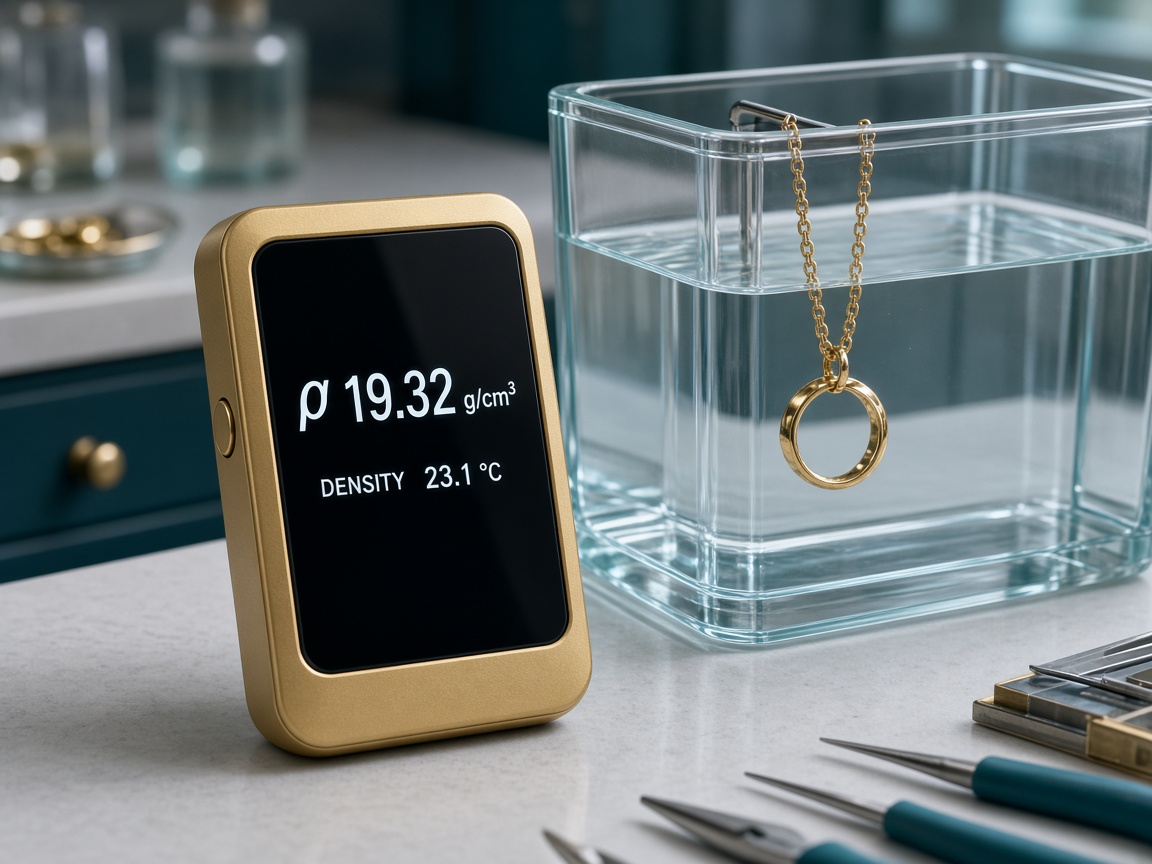
Alfa Mirage GKS-300
Key takeaways
- Upgrade for platinum + finer purity—not more capacity
- Ideal after staff already know air/water workflow
- Wrong pick if heavy chains are the real bottleneck
Mixed gold + platinum desks that need finer purity readouts
You only need basic 10K/14K banding or need >300 g capacity
Quick snapshot
Pros
- Finer weighing supports tighter purity display than base GK-300
- Platinum tables help mixed precious-metal counters
- Lower minimum sample weight on the GKS class
- Same non-destructive solid-metal workflow jewelers already trust
Cons
- Same 300 g ceiling—no capacity upgrade over GK-300
- Costs more; overkill if you only screen broad karat bands
- Still blind on hollow / gem-set constructions
- Buyers who needed grams of capacity sometimes regret not buying 600 g instead
Why we picked it
Why it earns the badge
The GKS-300 is our pick when a jewelry desk already understands densimetry and needs finer purity—especially with platinum in the mix. Paying more for another 300 g machine only makes sense if resolution and metal tables are the bottleneck, not capacity. The GKS class is aimed at buyers who already trust the air/water workflow and want a tighter purity display plus platinum tables so mixed precious desks do not bounce between instruments mid-intake.
Who it is ideal for
Ideal buyer: estate jewelry shops, mixed gold/platinum buyers, counters that quote tighter purity on solid lots, and managers who already trained staff on solid-sample rules. If your real pain is heavy chains or small bars, this is the wrong upgrade path. Buying finer decimals on a 300 g load cell will not fix “piece won’t fit” days. Move to 600 g or 1200 g capacity first, then revisit finer resolution only if disputed near-pure lots justify it.
Who should skip it
Skip it if you are budget-first, still learning the air/water workflow, or only need broad 10K/14K banding for scrap payouts. In those cases the base GK-300—or a clear 600 g value kit—delivers more practical upside per dollar. Also skip it if you mainly handle gem-set fashion jewelry; finer resolution does not fix the mixed-density problem of stones and hollow links.
What real buyers get wrong
Honest buyer sentiment in this category often sounds like disappointment about capacity, not about the decimal places. Reviewers who needed grams of headroom regret spending premium money on another 300 g footprint. Others expect densimetry to settle tungsten-bar disputes and walk away frustrated—density of tungsten is too close to high-karat gold for Archimedes alone. Use the GKS-300 as a sharper first-pass tool for solid gold and platinum desk work, pair high tickets with XRF or assay policy, and you get the upgrade you paid for instead of a more expensive version of the wrong problem.
Key specs → desk benefits
0.001 g weight resolution / finer density class
Helps when you are comparing near-pure pieces or platinum marks where coarse banding feels sloppy.
Gold + platinum purity tables
One bench tool covers more of a mixed precious desk without switching instruments mid-intake.
Best Budget / Runner-Up 600 g Kit
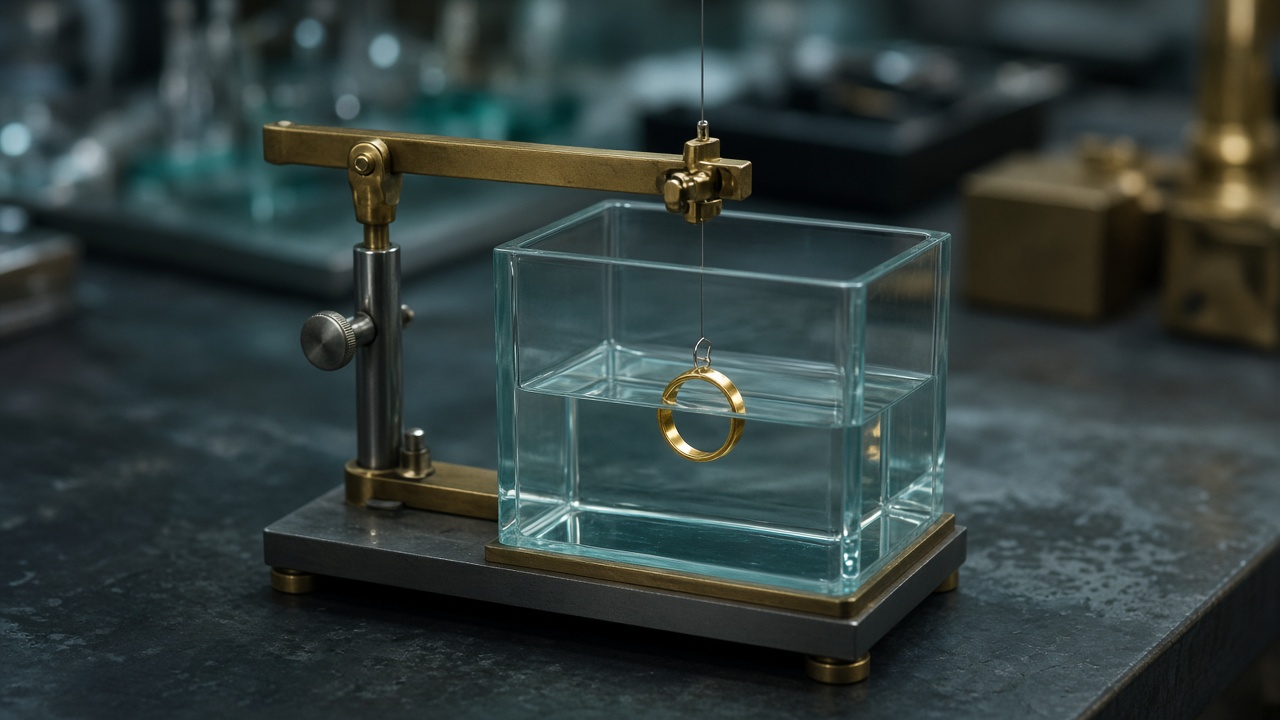
Lissontine Shop-600 g Densimeter
Key takeaways
- Budget path into a full 600 g tank kit
- Shop vs Lab SKUs—match the listing carefully
- Good second option when comparing Amazon kits
Shops comparing 600 g kits with optional print workflow
You hate SKU confusion or only buy light rings
Quick snapshot
Pros
- Shop vs Lab SKUs let you choose resolution tier
- 600 g class fits mixed solid intake
- Many kits mention printer / computer interface
- Useful comparison shop against other 600 g Amazon units
Cons
- Easy to order the wrong Shop vs Lab variant from a messy title
- Brand support depends on the seller
- Print features are not always included—read the box list
- Overkill capacity if you only handle light jewelry
Why we picked it
Why it earns the badge
Lissontine lands as our best budget / runner-up pick in the 600 g band: same capacity story as other shop kits, usually at a price that lets a new pawn counter or second location get a working tank setup without waiting on a premium brand order. We feature it so you can compare two 600 g options side by side instead of marrying the first kit you see on Amazon. Shop vs Lab SKUs also give you a path to finer density resolution later if disputed lots justify the upgrade—without forcing every desk to buy lab decimals on day one.
Who it is ideal for
Ideal for comparison shoppers, managers opening a second bench, and desks that might want printer or PC interface options on some configurations. The 600 g class covers mixed solid intake the same way other shop kits do: solid chains, solid scrap lots, and pieces that would have bounced off a 300 g ceiling. If print/PC mentions matter to your dispute workflow, confirm they are in the exact SKU you are ordering—not just in a related listing photo.
Who should skip it
Skip it if you want one dead-simple SKU with zero ambiguity, or if brand familiarity is a hard requirement for ownership. Title noise is the real risk in this product family: Amazon listings mix Shop and Lab language, capacity numbers, and accessory claims. Ordering the wrong variant is the most common expensive mistake—not a “bad densimeter physics” problem. Also skip it if your intake is only light jewelry; you will pay for capacity you never use.
What real buyers get wrong
What lower-rated densimeter reviews in this price tier actually complain about: unclear manuals, wrong Shop/Lab variant, printer pictured but not included, and operators testing hollow electroformed jewelry. None of those are unique to Lissontine, but they are more common when listings are noisy and buyers rush. Fix it with a slow checkout: match capacity, density resolution, weight resolution, and accessory list line by line, then train staff that solid metal only means solid metal only. Used that way, this kit is a sensible budget path into daily densimetry.
Key specs → desk benefits
Shop 0.001 vs Lab 0.0001 density options
You can pay for finer resolution only when disputed lots justify it—not by default.
Interface / printer mentions on many listings
Helps desks that want a paper trail of the screen for customer disputes.
Best for Printed Customer Slips
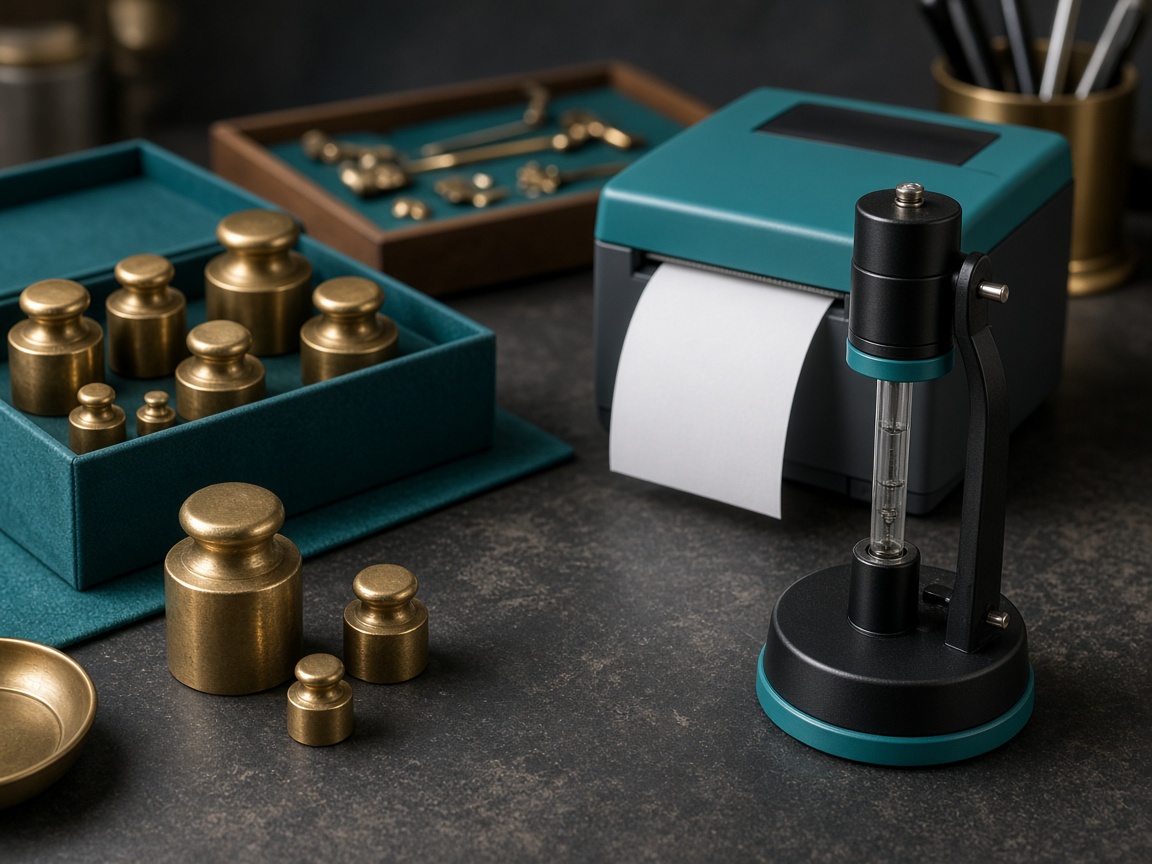
CUTANGELAR Densimeter Kit (Printer Option)
Key takeaways
- Specialty pick when printed slips matter
- Lock capacity + printer inclusion before checkout
- A slip documents a screen—not a fire assay
Desks that want a printed karat/density slip
You will not use a printer and hate multi-SKU listings
Quick snapshot
Pros
- Optional thermal printer for customer-facing slips
- Multiple capacity/resolution configurations
- Helps managers keep a paper trail of the screen
- Covers gold and platinum-style readouts on many configs
Cons
- Easy to order the wrong capacity SKU
- Printer adds cost and another thing to maintain
- A slip is not an assay certificate—set customer expectations
- Listing complexity frustrates rushed buyers
Why we picked it
Why it earns the badge
Choose CUTANGELAR-style kits when printed slips are part of the customer experience—pawn counters, some retail trade-in desks, and multi-location shops that want a consistent brand family with optional thermal printers. A printed karat/density slip will not turn densimetry into an assay lab, but it does give managers a paper trail during disputes and helps staff show the customer what the machine displayed without relying on memory alone. That is a real operational benefit when expectations are set correctly.
Who it is ideal for
Ideal for managers who want documentation, desks that already know they will use a printer weekly, and shops standardizing on one product family while picking 300, 600, or 1200 g per location. The flexibility is both the feature and the risk: multi-SKU listings make it easy to order the wrong capacity or resolution. Lock capacity, weight resolution, density resolution, and whether the printer is included before you click Buy—screenshot the Amazon option you selected.
Who should skip it
Skip it if you want the simplest possible Amazon order with one unambiguous SKU, or if nobody on the desk will actually use a printer. Paying for print hardware you ignore is a common regret. Also skip it as a “budget miracle” if the listing is confusing; a clearer single-SKU 600 g kit may save more money through fewer wrong orders than a slightly lower sticker price.
What real buyers get wrong
Across printer-option densimeter reviews, the sharpest complaints are predictable: no English instructions, printer pictured but not in the box, cheap-feeling build relative to the photo, and seller support friction on returns. Those are shopping problems more than Archimedes problems. Mitigate them by buying from sellers with strong recent feedback, confirming the accessory list in writing, and training staff that the slip documents a first-pass density screen—not a certified purity result. When you need printed customer slips and are willing to shop carefully, this family is the right specialty pick.
Key specs → desk benefits
Optional thermal printer
Lets you hand a customer a record of the densimeter screen during disputes—without claiming it is a lab assay.
Multi-capacity family
You can standardize on one brand family while picking 300, 600, or 1200 g for each location.
Best Value / Best for Pawn Capacity
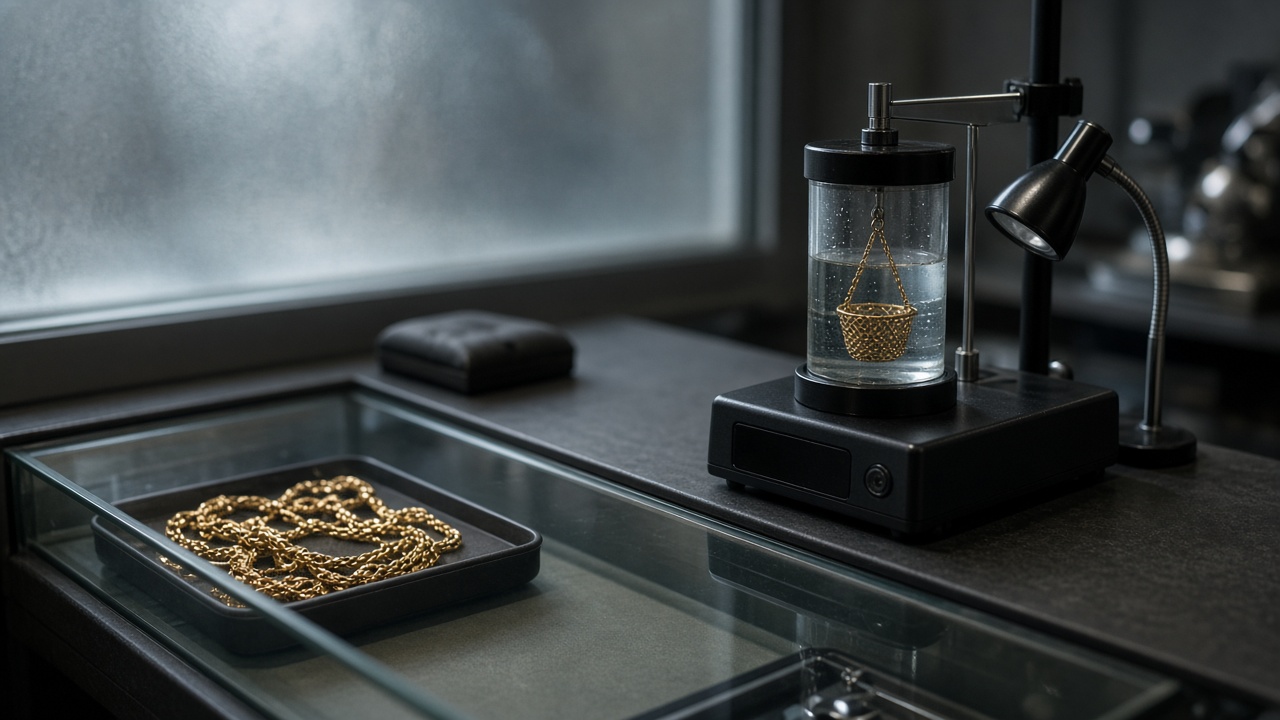
RODIETO 600 g Gold Purity Densimeter
Key takeaways
- 600 g headroom for pawn-weight solid chains
- Shop-class 0.001 density without lab pricing
- Confirm seller, accessories, and exact capacity
Pawn and mixed jewelry intake with heavier solid chains
You need Japan-brand prestige more than usable capacity
Quick snapshot
Pros
- 600 g headroom covers most solid chain intake
- 0.001 g/cm³ density resolution is the shop-class sweet spot
- Karat / purity / density in one workflow
- Usually ships as a complete tank + hanger kit
Cons
- Generic brand—seller quality and support vary
- Listing titles can be noisy; you must confirm exact capacity
- Not a tungsten-proof bar tester on its own
- Lower brand recognition if ownership wants “made in Japan” optics
Why we picked it
Why it earns the badge
RODIETO’s 600 g class is our best value pick because capacity is the feature that actually saves pawn and mixed jewelry desks from buying twice. A beautiful 300 g branded unit that cannot weigh your heaviest regular chain is a failed purchase—no matter how clean the karat UI looks in the product photos. This kit targets the real workflow: solid scrap, solid chains, fast karat/density/purity screen, and a complete tank + hanger setup so you are not hunting accessories after the box arrives.
Who it is ideal for
Ideal for pawn shops, mixed jewelry buyers, and scrap desks where solid intake regularly lands between 200 g and 500 g. The 0.001 g/cm³ density resolution is the shop-class sweet spot: fine enough for solid karat banding without paying lab-SKU prices. Managers also get a second number (density or purity %) when karat mode looks off, which helps when a second staffer re-checks a disputed piece.
Who should skip it
Skip it if brand prestige is a boardroom requirement—“made in Japan” optics matter in some retail ownership conversations—or if you only ever buy light rings under ~150 g. In that lighter jewelry-only case, a 300 g premium unit may feel cleaner on a glass retail counter and leave more budget for training and distilled-water discipline. Also skip any densimeter as a standalone answer for bullion bars you suspect are tungsten-filled; density alone will not settle that fight.
What real buyers get wrong
Cross-check Amazon seller ratings and the in-box list (scale, tank, hanger, power, any claimed printer) before you checkout. Across generic 600 g densimeter listings, the honest low-star complaints cluster around missing English instructions, accessories that were pictured but not shipped, confusing multi-SKU titles, and buyers who tested hollow or gem-set jewelry then blamed the machine. Those are avoidable with a pre-purchase checklist: confirm capacity on the live listing, screenshot the accessory list, decline hollow/gem-set pieces at intake, and treat the result as a first pass. Do that, and a value 600 g kit like this becomes the workhorse most pawn desks actually need.
Key specs → desk benefits
600 g capacity
Fewer “piece won’t fit” moments on pawn days when solid chains run heavy.
0.001 g/cm³ density resolution
Fine enough for solid scrap karat banding without paying lab-SKU prices.
Karat + purity + density display
Managers can spot-check a second number (density) when karat mode looks off.
Buying decision
Master 0.001 shop resolution before paying for lab SKUs. If capacity is failing you, fix grams first—not decimals.
Read Shop vs Lab language carefully on the listing.
FAQ
Can a densimeter test hollow or gem-set jewelry?
No. Trapped air and stones break the volume math. Solid metal only—or remove stones / decline the piece.
Is a densimeter the same as a fire assay or XRF?
No. It is a first-pass density/karat screen. High-ticket or disputed lots still need XRF or assay.
Do I pay more using your Amazon links?
No. You pay the same Amazon price. We may earn a commission if you buy through our links.
What capacity should I buy?
Take your heaviest regular solid purchase, add ~20% headroom, then choose 300 g, 600 g, or 1200 g.